Ledger Login — Your Secure Portal to Crypto Control
Master the Ledger login process with this comprehensive guide. Learn how to safely access your Ledger device, manage crypto through Ledger Live, and keep your assets untouchable by online threats.
Understanding Ledger Login
The Ledger login process connects your hardware wallet to the Ledger Live interface, granting you secure access to your cryptocurrency portfolio. Unlike typical online wallets, your private keys remain safely stored inside your Ledger device. This design minimizes online risk, allowing full crypto management without compromising security.
Whether you hold Bitcoin, Ethereum, or stablecoins, logging in through Ledger ensures your keys never leave your control — making it one of the most trusted login mechanisms in the digital finance world.
Did You Know? Ledger devices like the Nano X and Nano S Plus are certified with CC EAL5+ secure elements — the same grade used in banking and passports.
How to Complete Your Ledger Login (Step-by-Step)
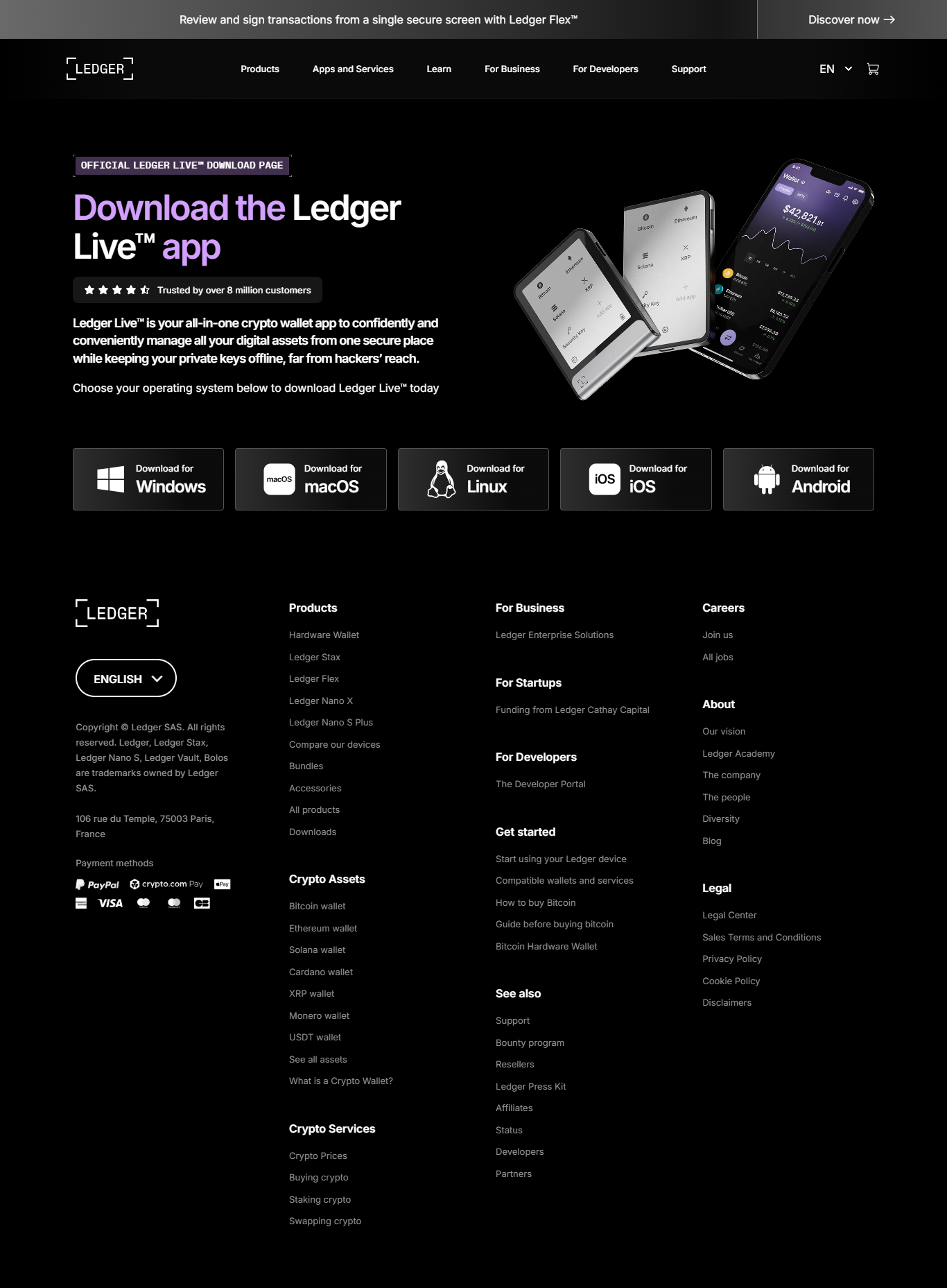
- Download Ledger Live: Get it directly from the official Ledger website. Never trust third-party downloads — they can be malicious.
- Connect Your Ledger Device: Use the supplied USB cable or Bluetooth for Nano X. Enter your PIN when prompted.
- Open Ledger Live: The software will automatically recognize your device and prompt connection approval.
- Approve Access: Confirm on your hardware screen. This physical confirmation is crucial to block unauthorized logins.
- Access Portfolio: Once verified, you’ll gain full visibility of your assets, balances, and transactions.
The Security Logic Behind Ledger Login
Every time you log in, your Ledger operates as a self-contained fortress. It performs cryptographic signing within its secure element — meaning your private keys are never exposed to your computer or the internet. Even if your PC were compromised, hackers couldn’t access your crypto.
This architecture embodies the golden rule of blockchain: “Not your keys, not your coins.” Ledger login keeps those keys physically isolated, reinforcing the independence of true digital ownership.
Ledger Login vs Traditional Exchange Login
| Aspect | Ledger Login | Exchange Login |
|---|---|---|
| Key Ownership | User (Self-Custody) | Platform (Third-Party) |
| Login Type | Hardware + App | Username + Password |
| Risk Level | Extremely Low | High (Target for Hacks) |
| Accessibility | Offline/Online Hybrid | Online Only |
Common Ledger Login Issues and Fixes
- Device Not Detected: Ensure the latest Ledger Live version and reconnect your device. Try switching USB ports or cables.
- App Freezes During Login: Restart Ledger Live, close other crypto apps, and reconnect. Reboot if needed.
- PIN Forgotten: Reset the Ledger and recover using your 24-word seed phrase (never share or store it online).
“Each Ledger login is more than a connection — it’s a handshake of trust between you and your hardware wallet.”
Frequently Asked Questions About Ledger Login
1. Is Ledger login available on mobile?
Yes. The Ledger Live app works on iOS and Android with Bluetooth support for Nano X.
2. Can I access my account without the hardware device?
No — and that’s a good thing. Ledger login requires your physical device for security.
3. What if my Ledger is lost?
You can restore your wallet using your 24-word recovery phrase on a new device.
Pro Tips for a Smooth Ledger Login
- Bookmark the official Ledger Live download page.
- Enable password lock in Ledger Live settings.
- Always check firmware updates from official sources.
- Keep your recovery phrase offline, on paper or metal backup.
Conclusion: Ledger Login Empowers True Ownership
Your Ledger login is your digital handshake with security and autonomy. Every approval, every PIN, every confirmation reaffirms your sovereignty over your cryptocurrency. While exchanges come and go, your Ledger — and the keys it guards — ensure your assets remain entirely under your control.
© 2025 SecureChain Media | Ledger Login Mastery Guide